
Dehydrated Oily Skin: Causes and Care
Shiny by noon yet tight after cleansing? Your skin may be oily and dehydrated at the same time. Here is how to recognise it and restore the balance.
Shiny by midday, yet tight and uncomfortable after cleansing? Flaky patches right next to blackheads? Your skin may be both oily and dehydrated. It sounds contradictory, but it is one of the most common skin concerns, and one of the most misunderstood. The good news: once you know what is going on, it is quite simple to bring your skin back into balance.
Oily and dehydrated: what is the difference?
Oily describes a skin type: your oil glands produce a lot of sebum. It is largely set by genetics and hormones. Dehydrated describes a temporary state: your skin lacks water. Any skin type can become dehydrated, including oily skin.
When the outer layer of the skin lacks water and protective lipids, the barrier becomes weaker. Water escapes more easily, irritants get in more easily, and the skin feels tight and reactive. Many people then cleanse even harder to remove the shine, which makes the problem worse.
| Oily skin | Dehydrated skin | Oily and dehydrated | |
|---|---|---|---|
| Lacks | Nothing | Water | Water |
| Shine | Yes | No | Yes |
| Feels | Comfortable | Tight | Tight, then shiny |
| Changes with | Hormones | Weather, habits | Weather, habits, products |
Signs your oily skin is dehydrated
- A feeling of tightness after washing your face
- Shine and enlarged pores, but also dull, rough areas
- Fine lines that look more visible by the end of the day
- Make-up that clings to dry patches or looks cakey
- Skin that stings or turns red when you apply products
- Flakes around the nose or eyebrows, even with breakouts nearby
What causes it?
- Over-cleansing with harsh, very foaming or alcohol-rich products.
- Skipping moisturiser out of fear of looking greasier.
- Too many actives at once: several exfoliating or drying products used together, or used too often.
- Drying treatments prescribed by a doctor, which often leave the skin tight.
- Environment: cold, wind, central heating and air conditioning.
- Lifestyle: long hot showers, not drinking enough, alcohol, lack of sleep.
How to restore the balance
1. Switch to a gentle cleanser
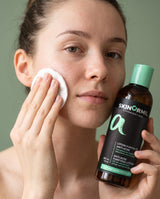
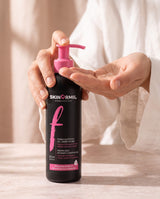
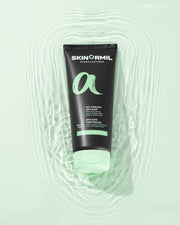
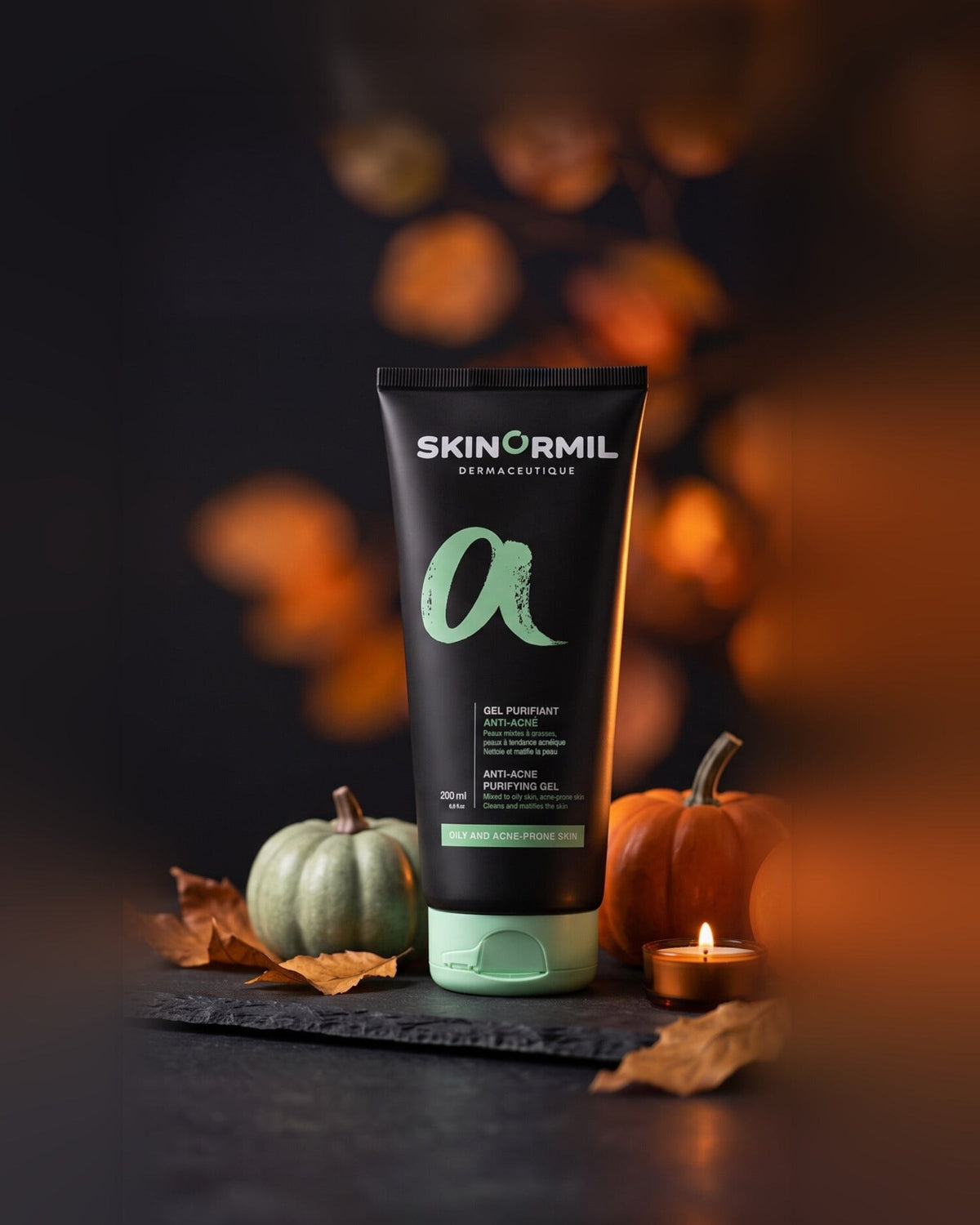
Your skin should feel clean but comfortable after washing, never squeaky. The Anti-Acne purifying gel removes excess sebum and impurities without stripping the skin. Use lukewarm water and pat dry.
2. Tone without drying
The Anti-Acne purifying lotion completes cleansing and preps the skin for your cream. It keeps the skin matte without feeling dry. If your skin is very reactive, use it once a day.
3. Never skip moisturiser
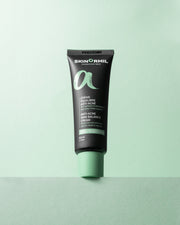
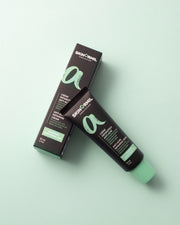
Choose a light, non-comedogenic texture that hydrates and controls shine. The Anti-Acne skin balance cream does both: it moisturises and repairs the skin barrier, while mattifying powder controls shine straight away. With 4% niacinamide, it helps regulate sebum over time.
4. Repair the barrier when it is irritated
If your skin is tight, flaky or stings, the Anti-Acne repairing cream rebuilds the barrier with ceramides, omega fatty acids from jojoba, argan and shea, and soothing bisabolol. It is non-comedogenic and can be used alongside prescription treatments. In a study on 20 volunteers, hydration increased by 17% at day 28, and 85% felt a soothing effect from the first application.
5. Introduce actives gradually
Add one new active product at a time and wait a week or two before adding another. If you use the Anti-Acne global care fluid, keep to its rhythm: a 3-week course, then a 1-week break.
How to apply your moisturiser
- Cleanse with lukewarm water and pat your face dry, leaving it slightly damp.
- Apply the lotion with a cotton pad or your hands.
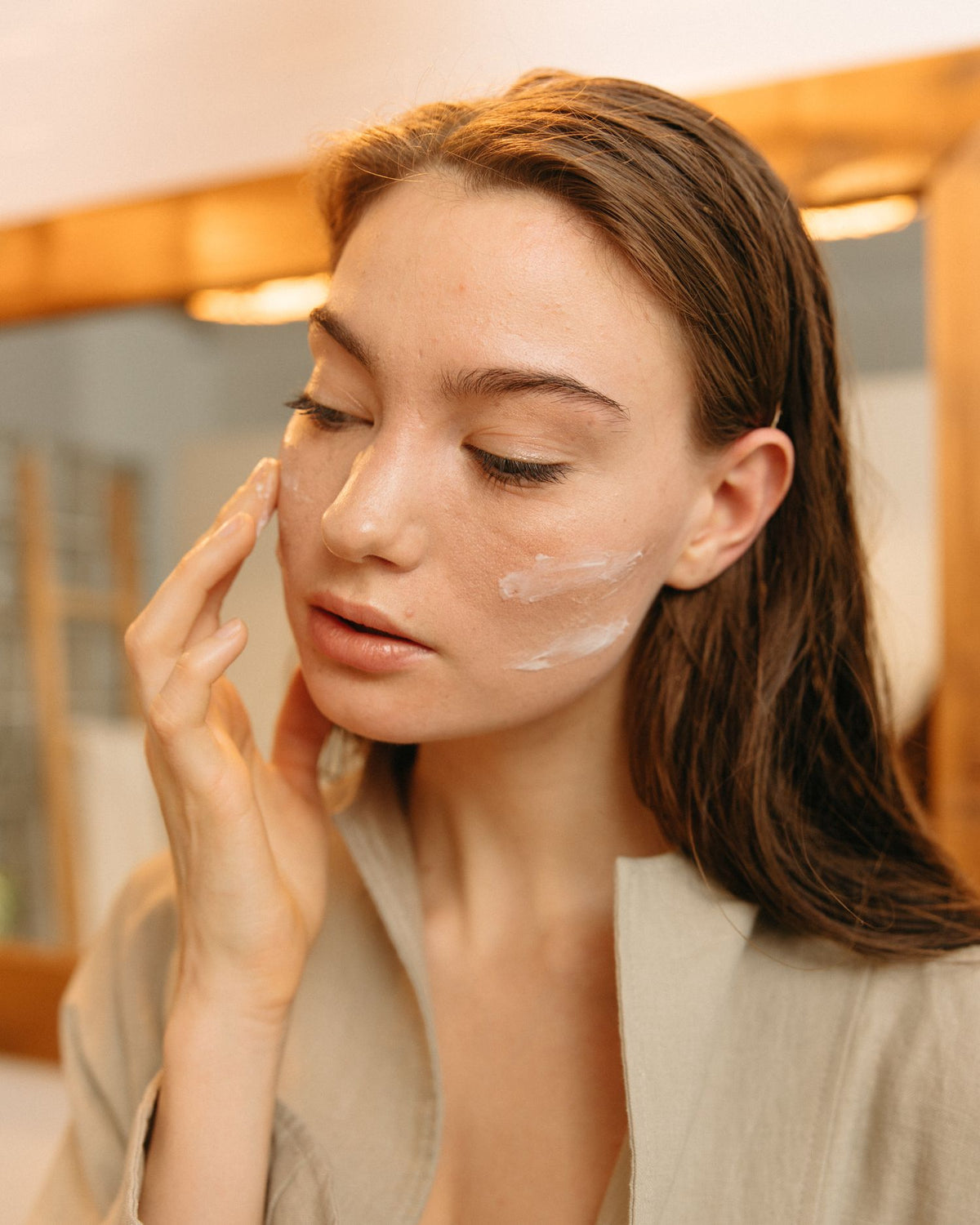
- Within a minute, take a pea-sized amount of cream.
- Dot it on the forehead, cheeks, nose and chin, then smooth outwards.
- Add a little extra repairing cream only on tight or flaky areas.
- In the morning, finish with a light SPF.
What the ingredients do
- Niacinamide: supports the skin barrier and helps regulate sebum over time.
- Ceramides: fill the gaps in the barrier and limit water loss.
- Jojoba, argan and shea: light plant lipids that soften without clogging pores.
- Bisabolol: calms skin that stings or feels tight.
- Cytobiol iris complex: helps regulate sebum and calm redness.
Skinormil tip: apply your moisturiser on slightly damp skin, within a minute of cleansing or toning. It helps lock in water.
Habits that help
- Keep showers short and lukewarm.
- Drink regularly through the day.
- Use a humidifier, or a bowl of water near the radiator, in winter.
- Avoid alcohol-heavy toners and grainy scrubs.
- Do not rub your face with a towel: pat it dry.
When to see a dermatologist
If your skin stays red, sore or very flaky despite a gentle routine, or if a treatment prescribed by your doctor makes it very uncomfortable, talk to your dermatologist. They can adjust the treatment and check for other skin conditions.
Frequently asked questions
Can oily skin really be dehydrated?
Yes. Oil and water are two different things. Skin can produce plenty of oil and still lack water.
Will a moisturiser make my skin greasier?
Not if you choose a light, non-comedogenic one. Many people find their skin becomes less shiny once it is properly hydrated.
How long does it take to rebalance my skin?
Comfort often improves within days. Give your routine about four weeks, the time it takes for the skin to renew.
Should I stop exfoliating?
Not completely, but reduce it to once a week while your skin recovers, and avoid using several exfoliating products together.
Keep reading: Winter skincare for oily, blemish-prone skin and Acne myths: what really causes breakouts?
This advice is for information only and does not replace the advice of a doctor, dermatologist or pharmacist.
The care in this article


Anti-Acne
Anti-Acne skin balance cream
For: oily and combination skin that needs hydration without shine.
5.0 · 7 reviews

Anti-Acne
Anti-Acne repairing cream
For: oily or combination skin that feels dry, tight or flaky, including during drying acne…
5.0 · 15 reviews

Anti-Acne
Anti-Acne purifying lotion
For: oily, combination skin with enlarged pores and blackheads.
4.4 · 8 reviewsPut it into practice
Which routine suits your skin?
Answer a few questions and get a routine that fits you, in 1 minute.
Keep reading
All articles →-
 Oily skin & acne
Winter Skincare for Oily, Acne-Prone Skin
Cold air outside, dry heating inside: winter is confusing for oily skin. Here is how to adjust your routine so…
Read article
-
 Oily skin & acne
Post-Acne Marks: How to Fade Them
The breakout is gone but the mark stays. Learn the difference between post-acne marks and scars, and the habits that…
Read article
-
 Oily skin & acne
Halloween Make-Up Without the Breakouts
Face paint, fake blood, a late night: Halloween can be tough on acne-prone skin. Here is how to remove heavy…
Read article
