
Winter Skincare for Oily, Acne-Prone Skin
Cold air outside, dry heating inside: winter is confusing for oily skin. Here is how to adjust your routine so your skin stays clear and comfortable until spring.

Many people with oily skin expect a break in winter. Instead, the skin often feels tight and shiny at the same time, flakes around the nose and still breaks out on the chin. The reason: cold air outside and heating inside dry out the surface, while the oil glands keep working as usual. The good news is that a few small changes to your routine make a big difference, and you do not need a whole new shelf of products.
Why oily skin struggles in winter
- Low humidity. Cold air holds very little water, and heated indoor air is often drier than a desert. Both pull water out of the skin.
- A weaker skin barrier. When the outer layer loses water and lipids, it lets irritants in more easily. Skin becomes more reactive, redder and quicker to sting.
- Dehydration is not the same as dryness. Oily skin can lack water while still producing plenty of oil. It may even produce more to compensate, which is why it can feel tight and look shiny at once.
- Harsh habits. Hot showers, strong cleansers and extra scrubbing to remove flakes all make the barrier weaker.
- Friction. Scarves, collars and hats rub against the chin, jawline and forehead, and hold sweat and sebum against the skin.
Signs your skin needs a winter routine
- It feels tight after cleansing, then shiny by midday.
- Fine flakes appear around the nose, eyebrows or mouth.
- Your usual products suddenly sting.
- Make-up looks patchy or settles into dry areas.
- Breakouts appear where your scarf or collar touches.
How to adjust your routine
1. Cleanse gently, twice a day
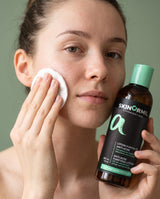
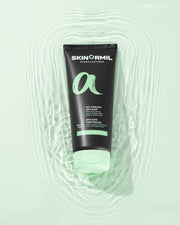
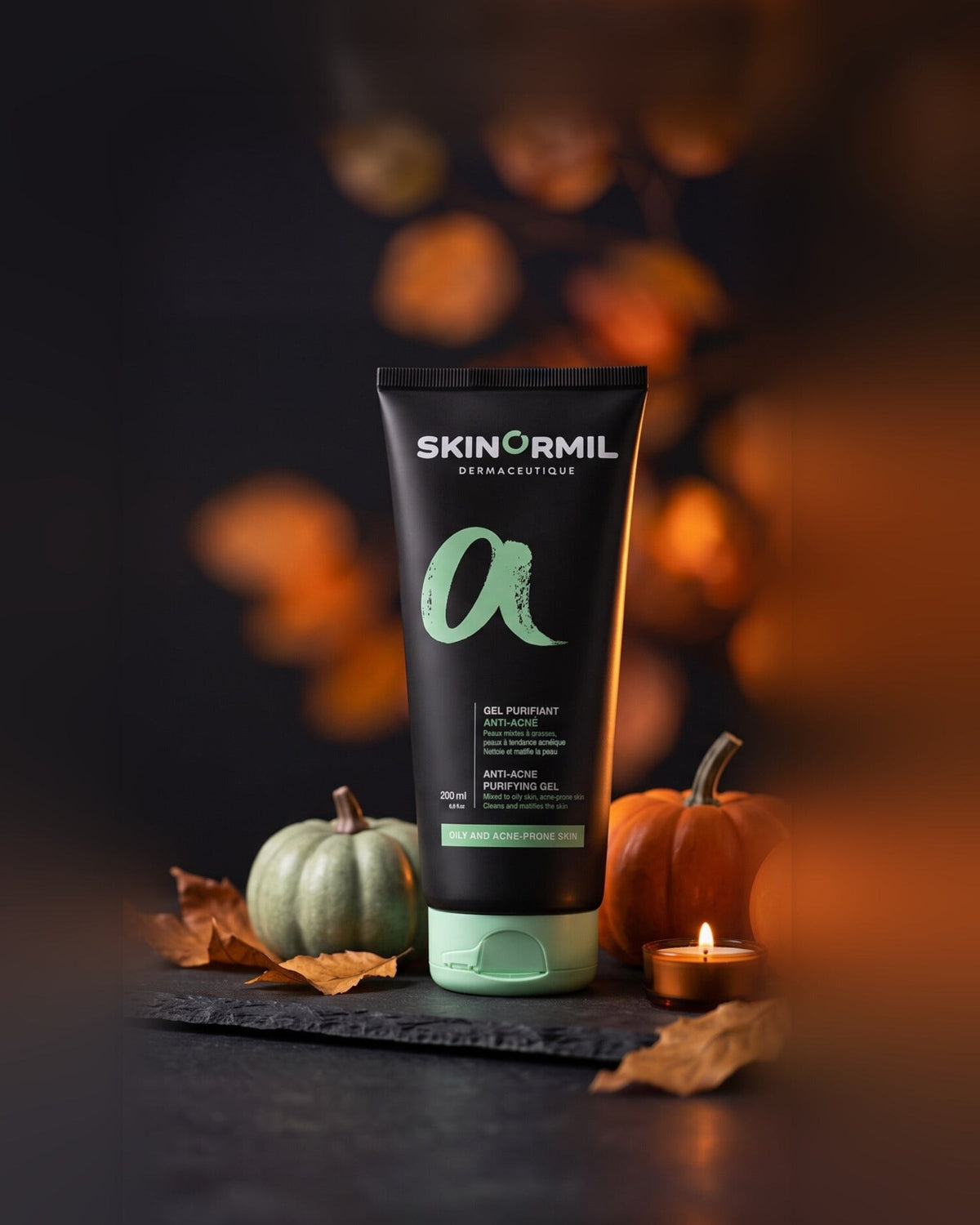
Use lukewarm water, never hot, and a cleanser made for oily skin that does not leave it tight. The Anti-Acne purifying gel removes excess sebum and impurities without stripping the skin, so it is gentle enough for morning and evening. Massage for 30 seconds, rinse and pat dry with a clean towel; do not rub.
2. Keep toning, but listen to your skin
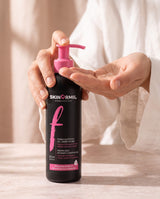
The Anti-Acne purifying lotion keeps pores clear and the skin matte without drying it. If your skin feels sensitive on very cold days, use it once a day instead of twice.
3. Keep moisturising, even if your skin is oily
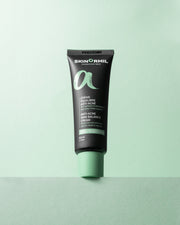
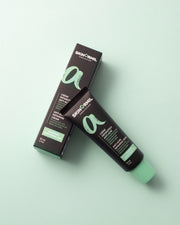
Choose a light, non-comedogenic cream. The Anti-Acne skin balance cream moisturises and supports the skin barrier while its mattifying powder controls shine straight away. With 4% niacinamide, it helps regulate sebum over time.
4. Switch to a richer cream when the skin feels tight
On windy or very cold days, after skiing, or if your skin is irritated by drying treatments, use the Anti-Acne repairing cream. Ceramides, plant oils and bisabolol restore moisture and calm discomfort, and it stays non-comedogenic. Many people use the balance cream in the morning and the repairing cream at night all winter.
5. Go easy on exfoliation
Once a week is usually enough in winter. The Anti-Acne mask-exfoliant can be left on as a mask rather than massaged in as a scrub when your skin is fragile. If you use the Anti-Acne global care fluid in the evening, keep to its rhythm (a 3-week course, then a 1-week break) and do not add other exfoliants on the same night.
6. Keep using sunscreen
Winter sun, especially when reflected by snow, still reaches your skin and darkens the marks that blemishes leave behind. A light, non-greasy SPF is enough for city days; use a higher protection in the mountains.
A simple winter routine
| Morning | Evening | |
|---|---|---|
| Cleanse | Purifying gel | Purifying gel (after removing make-up) |
| Tone | Purifying lotion | Purifying lotion |
| Treat | – | Global care fluid, or pimple stopper gel on individual spots |
| Moisturise | Skin balance cream | Repairing cream on dry or tight areas |
| Protect | Light SPF | – |
What the key ingredients do
- Cytobiol iris complex: helps regulate sebum and calm redness, in every Anti-Acne product.
- Niacinamide: supports the skin barrier and helps limit shine over time.
- Ceramides: fill the gaps in the barrier and reduce water loss.
- Jojoba, argan and shea: light plant lipids that soften without clogging pores.
- Bisabolol: a soothing ingredient for skin that stings or feels tight.
Skinormil tip: a humidifier, or simply a bowl of water near the radiator in your bedroom, helps your skin overnight and costs almost nothing.
Small habits that help
- Drink regularly through the day; herbal teas count too.
- Take shorter, cooler showers, and keep hot water away from your face.
- Wash scarves, hats and pillowcases often: they collect sebum, sweat and make-up. Read more in scarves, hats and breakouts.
- Choose cotton or silk next to the skin rather than rough wool.
- Do not pick at flakes: moisturise them instead.
When to see a dermatologist
If your breakouts get worse despite a gentle routine, if spots become deep and painful, or if a treatment prescribed by your doctor makes your skin very dry, talk to your dermatologist. They can adjust it for the winter months. Our repairing cream can be used alongside prescribed treatments.
Frequently asked questions
Should I switch to a rich cream in winter?
Not necessarily. Heavy, oily creams can clog pores. Keep a light, non-comedogenic cream and add a repairing cream only on the areas that feel tight.
Why does my skin flake and break out at the same time?
Because it is dehydrated, not dry. The surface lacks water while the oil glands keep working. Gentle cleansing and the right moisturiser help with both.
Can I keep using exfoliating products in winter?
Yes, but less often. Once a week for a mask or scrub is enough, and keep to the global care fluid’s course-and-break rhythm.
Do I need sunscreen when it is cloudy?
Yes. Much of the sun’s UV gets through clouds, and it can darken post-blemish marks.
Keep reading: Dehydrated oily skin: causes and care and Acne myths: what really causes breakouts?
This advice is for information only and does not replace the advice of a doctor, dermatologist or pharmacist.
Put it into practice
Which routine suits your skin?
Answer a few questions and get a routine that fits you, in 1 minute.
Keep reading
All articles →-
 Oily skin & acne
Post-Acne Marks: How to Fade Them
The breakout is gone but the mark stays. Learn the difference between post-acne marks and scars, and the habits that…
Read article
-
 Oily skin & acne
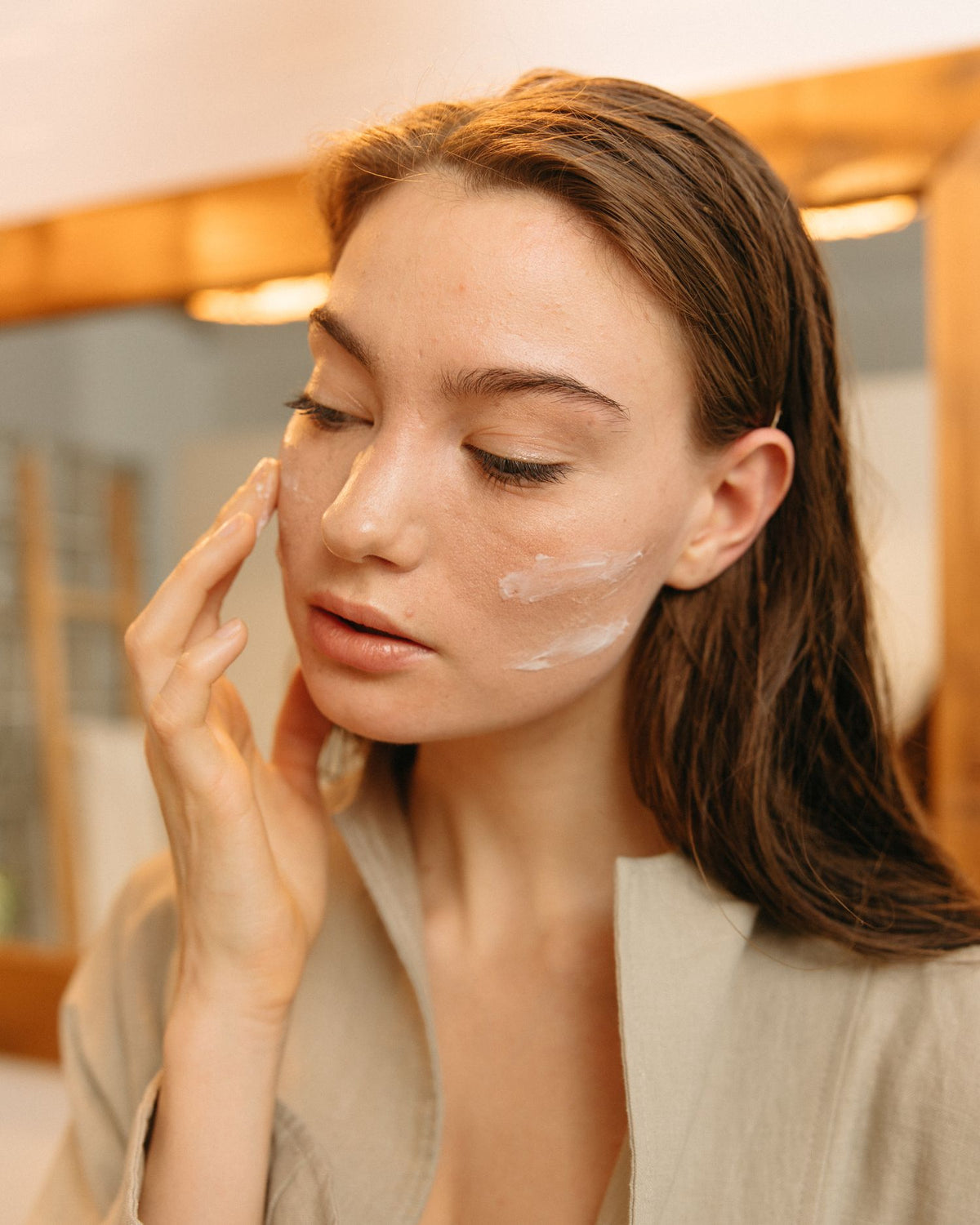
Dehydrated Oily Skin: Causes and Care
Shiny by noon yet tight after cleansing? Your skin may be oily and dehydrated at the same time. Here is…
Read article
-
 Oily skin & acne
Halloween Make-Up Without the Breakouts
Face paint, fake blood, a late night: Halloween can be tough on acne-prone skin. Here is how to remove heavy…
Read article
